Family Resource & Training Center

About FRTC

For more than three decades, the Family Resource & Training Center at Eastern Washington University has connected university learning, public systems and community partnerships with real-world child welfare and human-service needs.

We develop and implement programs, strengthen workforces, support children and families, build partnerships and help turn emerging challenges into practical solutions.

Who we are

Connecting University Resources With Real-World Practice

The Family Resource & Training Center is part of Eastern Washington University.

FRTC works with public agencies, community organizations, professionals, caregivers, families, students and other partners to develop and deliver programs that respond to changing needs in child welfare and human services.

Rather than working within one narrow service area, FRTC brings together people, practice, university resources and partnerships to help address complex challenges.

Programs Implementation, coordination and systems support.
People Training, mentoring, coaching and workforce development.
Partnerships Agencies, communities, families and technology partners.
Learning Evaluation, applied learning and continuous improvement.
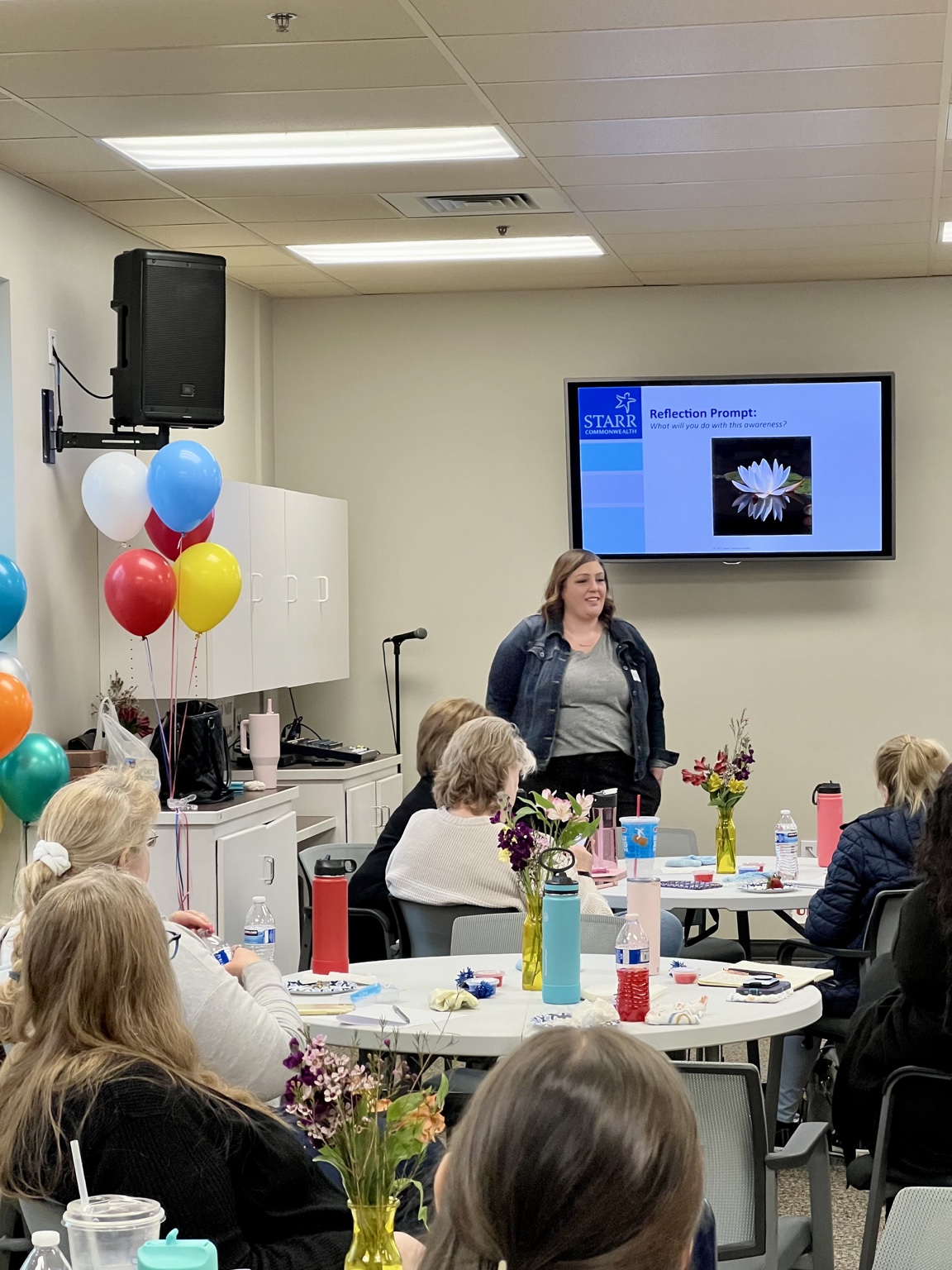
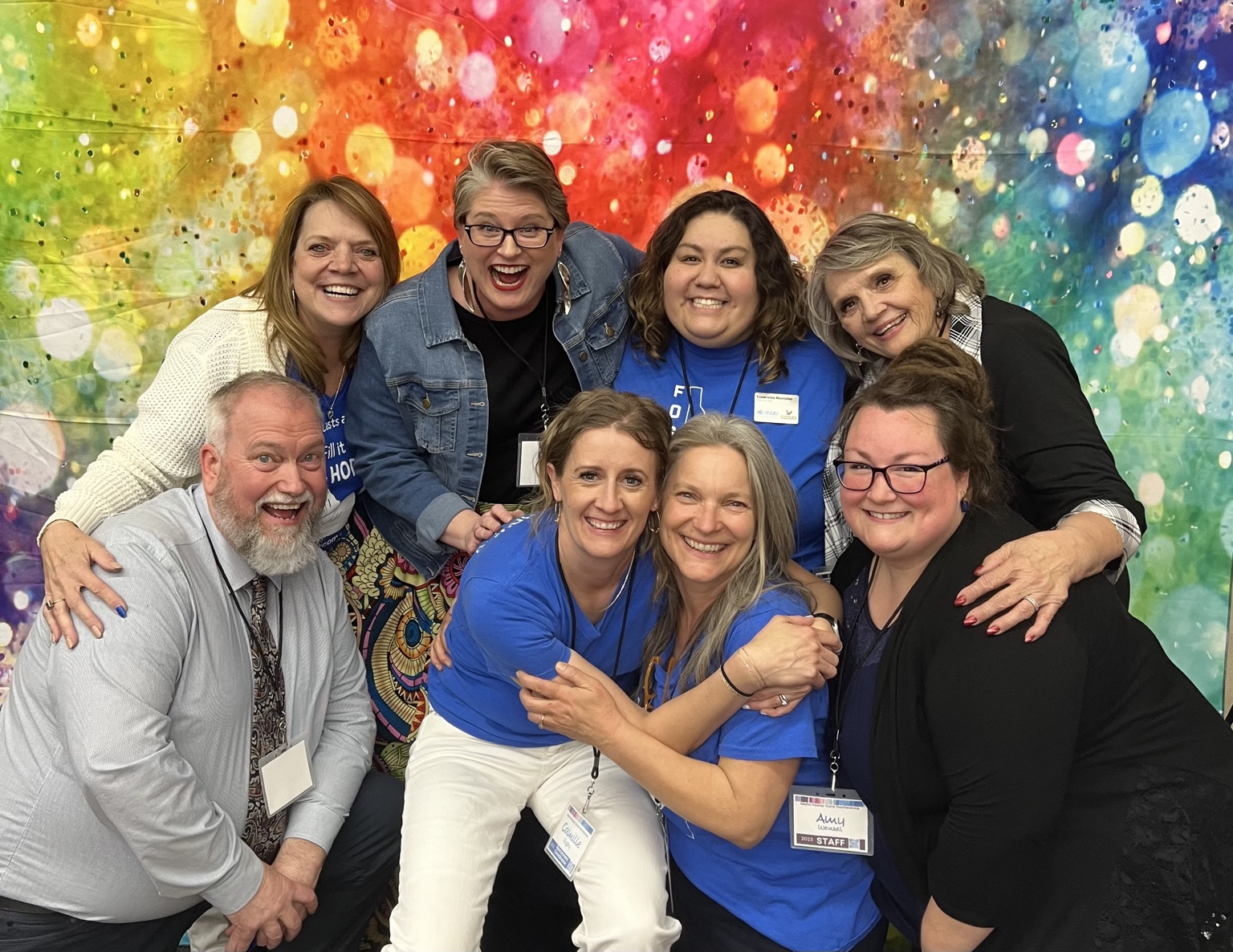
FRTC staff gathered together at the 2024 Idaho Foster Care Conference
FRTC staff at the 2024 Idaho Foster Care Conference.

Mission, vision & values

What Guides Our Work

Mission

FRTC connects people, practice and resources to strengthen children, families and the systems that support them.

We do this through responsive programs, training and workforce development, family and permanency support, community engagement, technology, evaluation and partnership.

Our work is grounded in turning real-world needs into practical solutions through collaboration, learning and implementation.
Vision

Healthy families. Strong communities. Responsive systems.

We envision communities where children and families are supported by prepared professionals, connected caregivers, effective programs and systems that continue to learn, adapt and improve.

Where FRTC connects

Learning, Practice & Community

FRTC sits at the intersection of university learning, public systems and the experiences of families and communities.

University & Learning

Interdisciplinary Expertise
Applied Learning
Evaluation
Students

Systems & Practice

Public Agencies
Workforce
Programs
Technology

Families, Communities & Lived Experience

Children & Youth
Caregivers
Community Partners
Family & Youth Voice

FRTC Connecting learning, practice & community

Our values

How We Show Up in the Work

Foster Dignity

Recognize the worth, voice and humanity of every person.

Respect Diversity

Value different experiences, perspectives, strengths and needs.

Honor Experience

Learn from lived experience, professional expertise and direct practice.

Serve With Integrity

Act with accountability, transparency and responsibility.

Support With Compassion

Approach people, relationships and challenges with humanity and care.

How we work

From Need to Practical Solution

FRTC's role may look different from project to project, but our work frequently follows a common pattern: understand what is happening in practice, build with partners, implement thoughtfully and learn from what happens next.

Listen & Understand
Design & Adapt
Implement
Support & Strengthen
Evaluate & Improve

What we do

Our Work Spans Programs, People & Systems

FRTC's work has grown across multiple areas of child welfare and human services. The individual programs change over time, but these areas reflect capabilities developed through decades of implementation.

Program Implementation & Systems Support

Helping move programs from concept into practice through coordination, infrastructure, statewide delivery and implementation support.

Training & Workforce Development

Developing and delivering learning for professionals, caregivers, trainers and coaches through in-person, virtual, hybrid and online formats.

Recruitment, Retention & Family Support

Recruiting, preparing, mentoring and supporting foster, kinship and adoptive families while connecting families with resources and community.

Permanency & Child-Specific Recruitment

Supporting family connection through child-specific recruitment, family-finding approaches, media and other permanency strategies.

Technology & Innovation

Working with technology partners to develop and refine tools informed by needs identified through direct practice and implementation.

Evaluation & Applied Learning

Connecting real-world programs with evaluation, student learning, interdisciplinary expertise and continuous improvement.

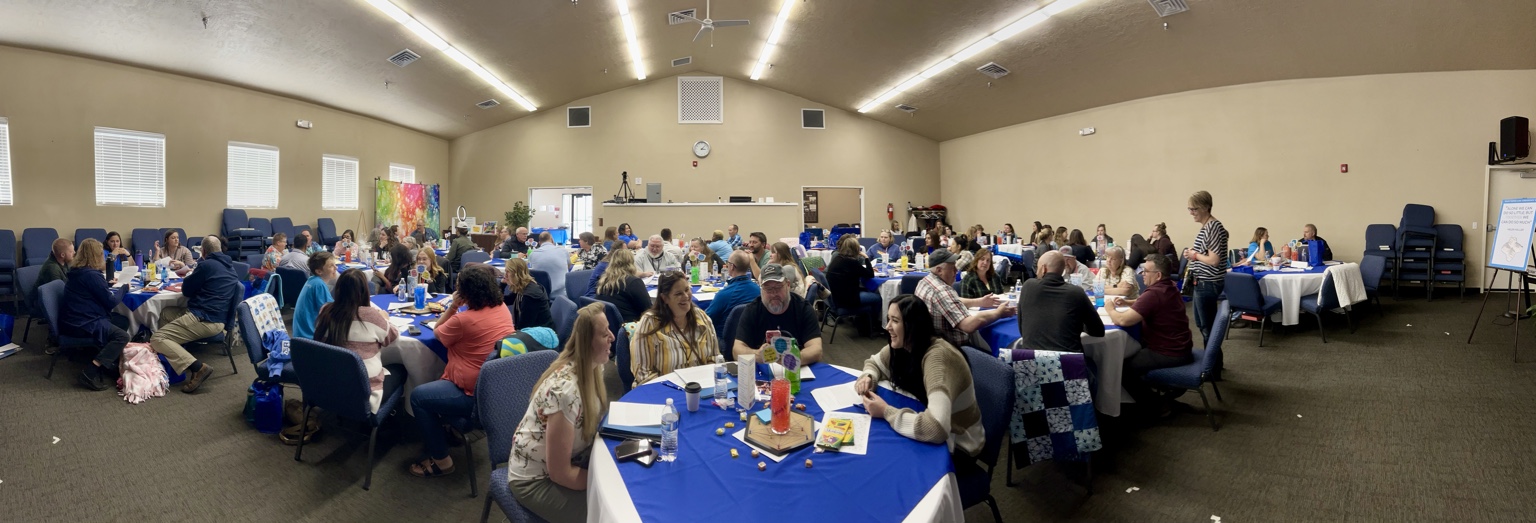
A large FRTC training event with participants working together at tables
Learning happens in many forms.

FRTC supports learning through classrooms, conferences, coaching, mentoring, community events, virtual delivery and applied practice.

Partnership in practice

Expertise Does Not Live in One Organization

Strong programs draw on the knowledge of agencies, communities, professionals, families and local partners. FRTC creates space for those perspectives to shape learning and implementation.
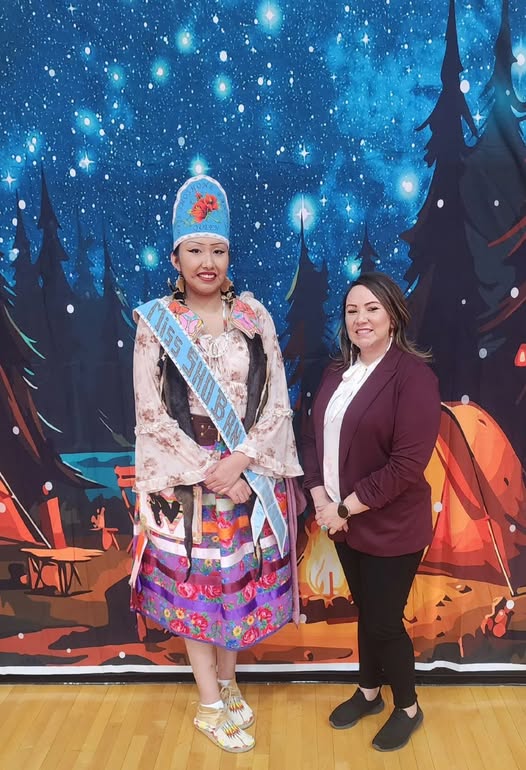
Miss Sho-Ban with Cola Boyer at an FRTC conference hosted in eastern Idaho

Community & Cultural Connection

FRTC's work includes partnerships shaped by the communities where programs and events take place, creating opportunities for local leadership, cultural knowledge and community expertise to be part of the experience.

Community partner leading a trauma and resilience training for FRTC participants

Community Expertise in Learning

FRTC also brings outside practitioners and community partners into learning environments. This Children of Trauma and Resilience session was facilitated by community partner Katie Francis of The Shifted Mindset.

Our history

More Than Three Decades of Growth

FRTC began through a university and public child welfare partnership. Over time, that small beginning grew into work spanning training, family support, workforce development, recruitment, permanency, evaluation, technology and systems improvement.

1993

The Beginning

Eastern Washington University partnered with the Idaho Department of Health and Welfare to create opportunities for MSW students to gain real-world child welfare experience.

1997

A Full Child Welfare Center

The work expanded into a broader Center providing child welfare services, training and partnership-based programming.

2002

Caregiver Training & Support

FRTC expanded its work with foster and adoptive families, caregiver preparation and professional learning.

2007

Recruitment, Retention & Peer Support

FRTC and Idaho child welfare partners developed recruitment and peer-mentoring approaches that brought experienced foster parents into family recruitment and support roles.

2011–2019

Expanding Programs & Practice

FRTC's work grew across family engagement, youth services, recruitment and retention, permanency and child-specific recruitment, workforce training and coaching.

Today

Programs Continue to Evolve

FRTC now works across program implementation, workforce development, family support, training, technology, evaluation, applied learning and strategic partnerships. Individual programs change, but the Center's role in connecting practice, people and solutions continues.

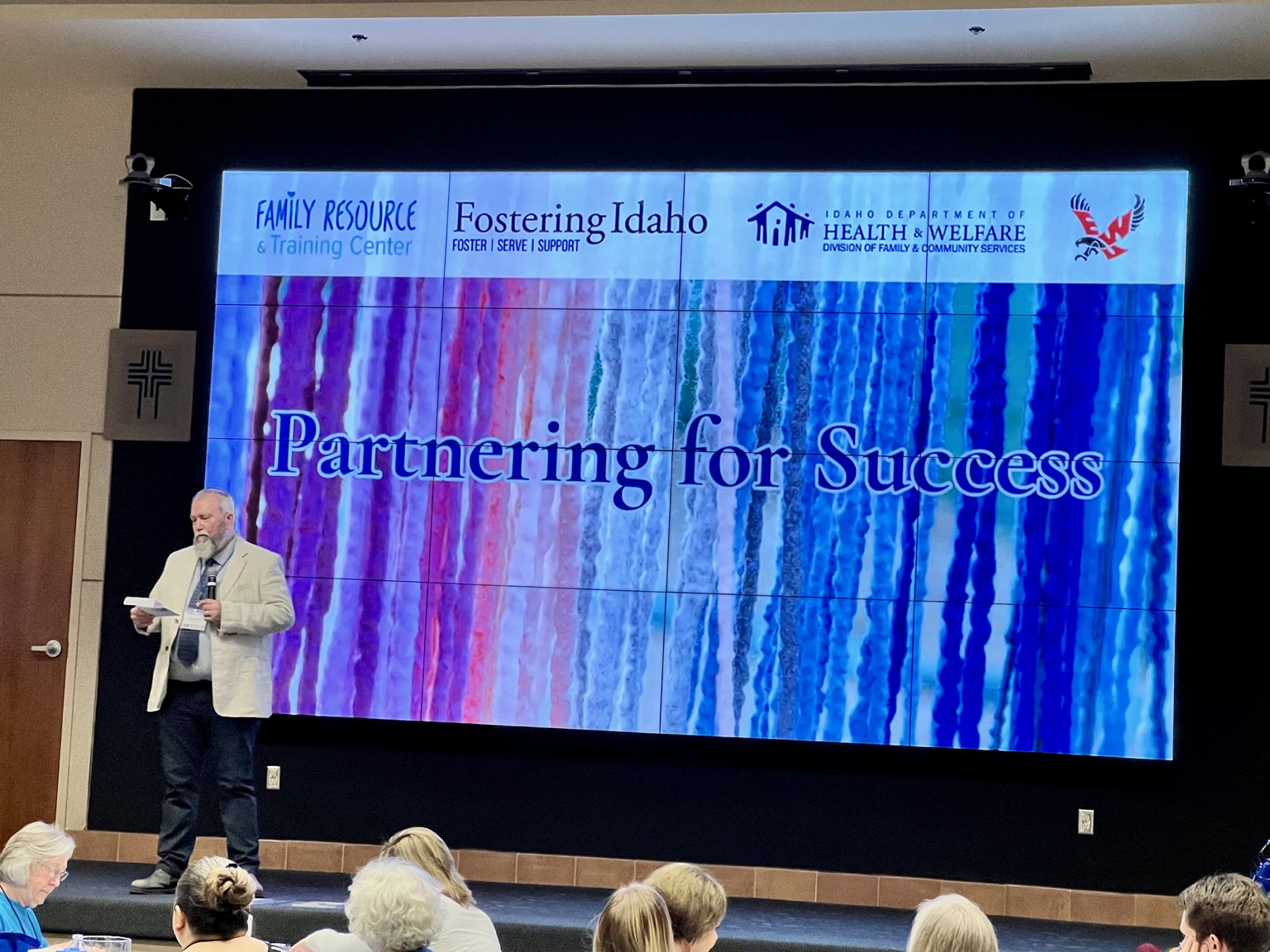
FRTC conference presentation with Partnering for Success displayed behind the speaker
Partnership and statewide learning have been recurring themes throughout FRTC's history.
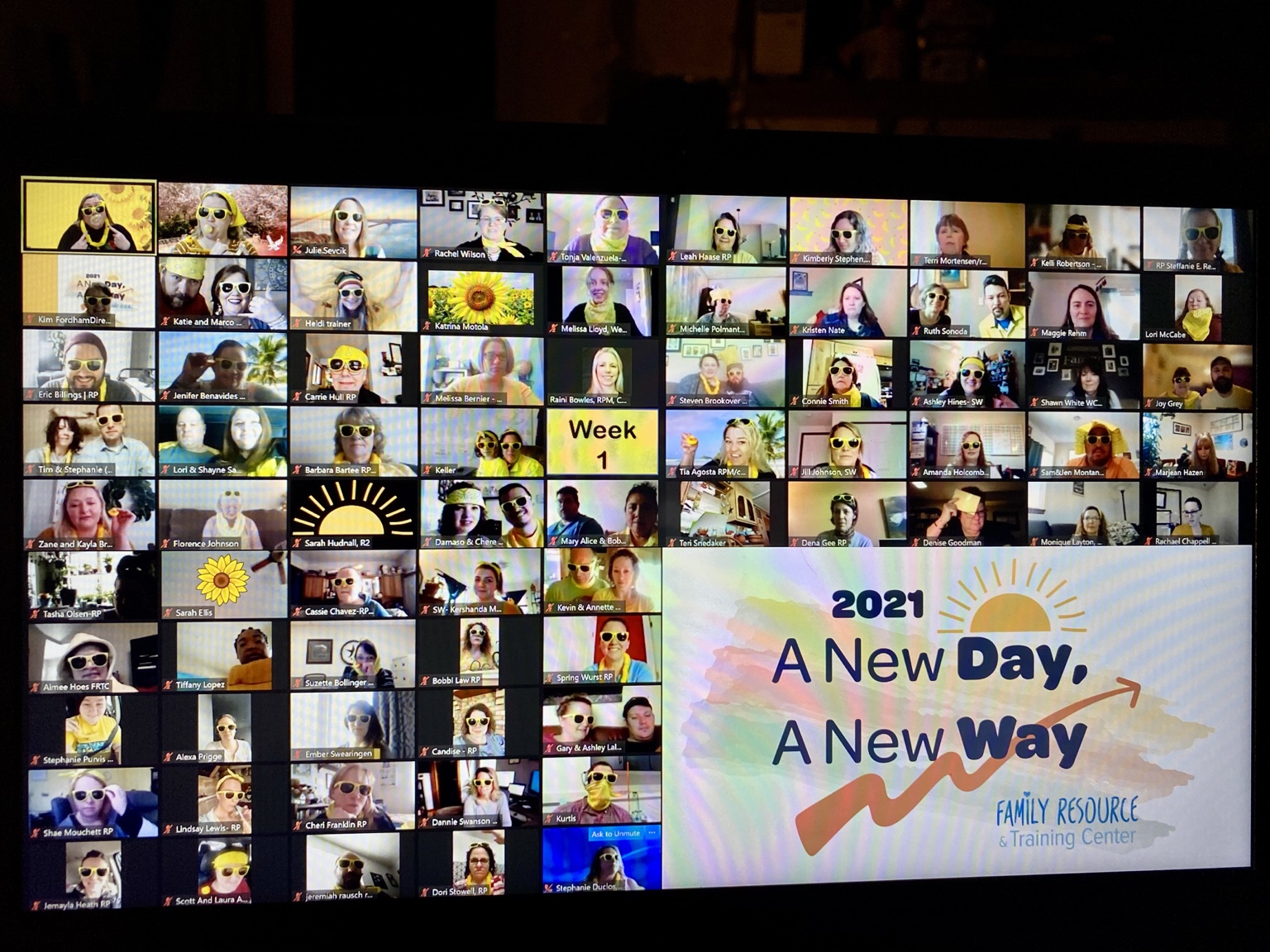
Participants attending the 2021 FRTC conference through a large Zoom gallery
In 2021, FRTC adapted conference delivery to a live virtual format.
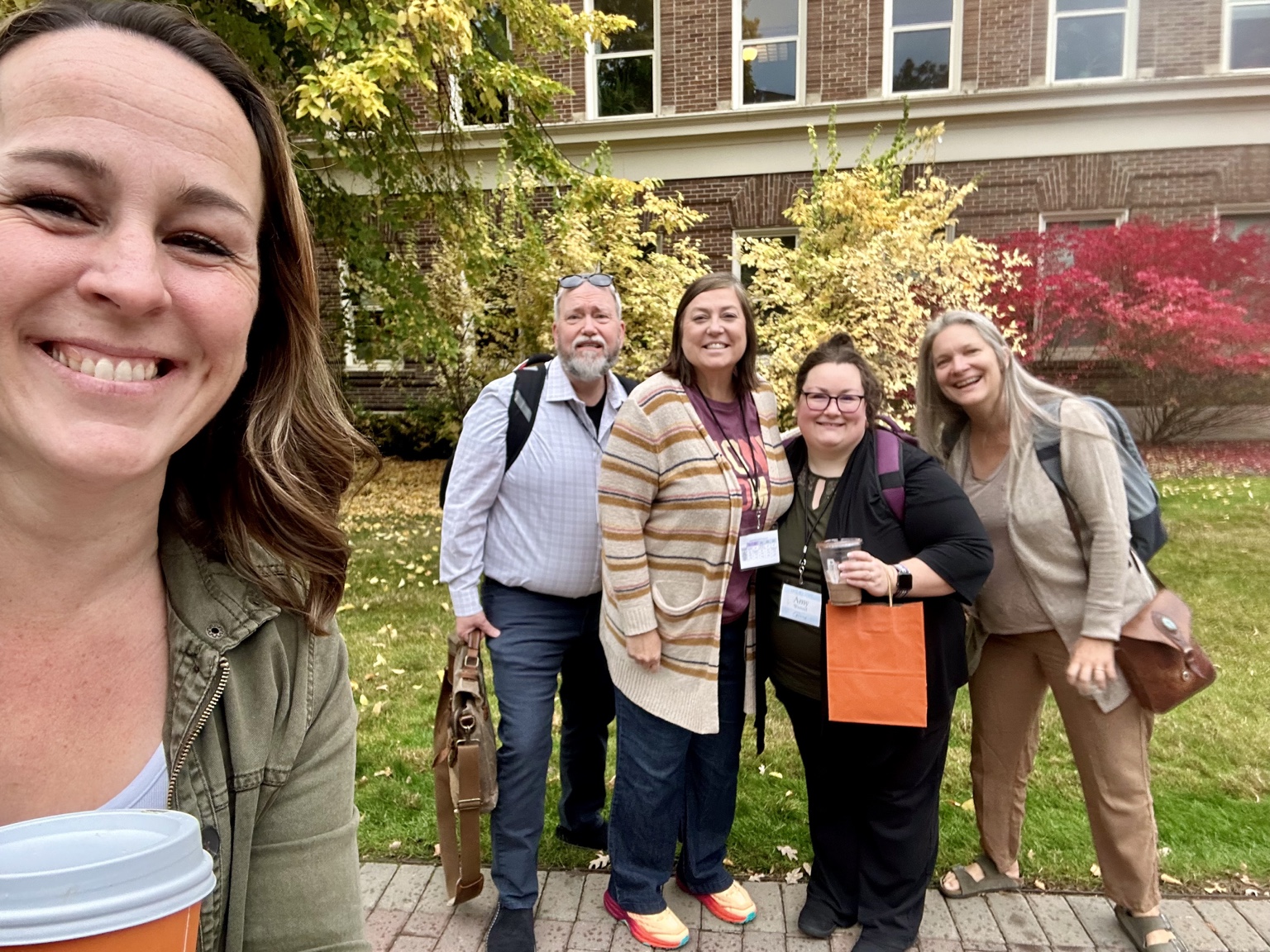
FRTC director and staff gathered outdoors during a professional event

FRTC + Eastern Washington University

University Learning With Community Impact

FRTC's place within Eastern Washington University creates opportunities to connect academic learning and university expertise with programs operating in real communities and public systems.

Students and university partners can contribute to authentic projects while FRTC programs benefit from interdisciplinary perspectives, evaluation, media, technology and applied learning.

Applied Learning Real projects and professional experience.
Interdisciplinary Work Social work, media, technology, evaluation and more.
Community Engagement Connecting university resources with public and community needs.
Continuous Learning Programs that learn, adapt and improve through practice.

The people behind the work

Meet Our Operations Team

FRTC works across geographic boundaries, connecting staff, programs, and partners through distributed teams and collaborative technology development.

T. Andrew Stinson

T. Andrew Stinson

Director of Operations

Idaho/Washington

Provides organizational leadership and builds partnerships that connect FRTC’s programs, people, and opportunities, while supporting strategic direction, collaboration, and growth across the Center’s work.

Melissa Wallace Bernier, LCSW, PHD

Melissa Wallace Bernier, LCSW, PHD

Associate Director of Clinical Practice and Social Work

Idaho

Provides clinical and social work leadership, connecting practice, training, workforce development, and program implementation across FRTC’s child welfare initiatives.

Jeromy Scheel

Jeromy Scheel

Fiscal Specialist

Florida

Supports FRTC’s fiscal operations, budgets, and financial processes, helping programs manage resources responsibly and maintain the infrastructure behind the work.

Shauna Wallace

Shauna Wallace

Program Assistant

Idaho

Supports FRTC programs through coordination, administrative operations, communication, and day-to-day implementation that helps projects and teams stay organized and moving forward.

Lindsey Blevin

Lindsey Blevin

CWWTD Program Coordinator

Idaho

Supports CWWTD program coordination, training activities, and day-to-day implementation, helping keep program operations organized and responsive to staff and participant needs.

Rachael Chappell, LCSW, Ed.S.

Rachael Chappell, LCSW, Ed.S.

Agency Field Instructor and FRTC Program Coordinator

Idaho

Supports training operations, workforce development, and program implementation, connecting systems, processes, and learning activities to help FRTC programs run effectively.

Marty McGukin

Marty McGukin

Instructional Designer and QA/Operations Specialist

Georgia

Supports FRTC’s online learning systems, training operations, and digital delivery, helping programs move smoothly from planning through implementation and ongoing support.

Amy Wenzel

Amy Wenzel

Special Projects Coordinator

Texas

Bridges programs, technology, communications, and operations to help FRTC turn complex projects into practical, usable solutions.

What connects the work

Strong Programs Begin With Strong Partnerships

FRTC's work continues to change because the needs of children, families, professionals and communities continue to change. What remains consistent is our commitment to listening, collaborating, building practical solutions and learning from the work.